

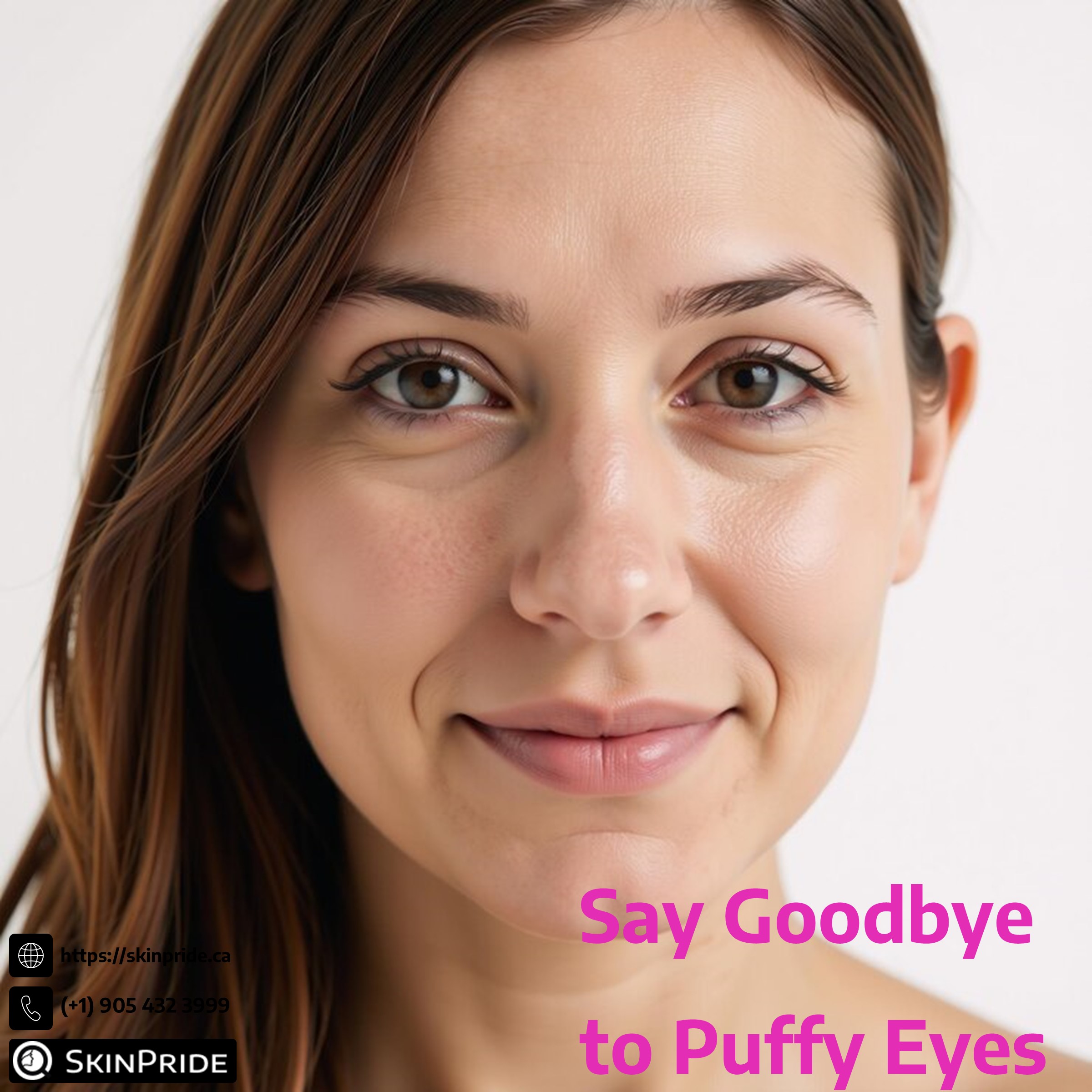
Say Goodbye to Dark Circles and Puffy Eyes
We all wake up with those mornings when the mirror can be a little unkind. The dark circles under the eyes appear to be darker than usual, or the puffiness makes us appear more tired than we actually are. Whether it’s lack of sleep, stress, genetics, or screen time, the skin beneath the eyes is one of the thinnest on the body and mirrors fatigue in an instant. The upside? Modern science—and AI-powered skincare especially—is giving us smarter, more customized solutions for these issues. Instead of covering them up, we can now cut to the root of their causes and choose treatments that actually work.
Why Dark Circles and Puffy Eyes Are So Challenging
For decades, people have been asking the same frustrating questions: Why do I always look tired after eight hours of sleep? How do I get rid of these bags under my eyes? Why do expensive creams work for everyone else but not for me? The answers are not one-size-fits-all. Dark circles can be caused by thinning skin that reveals blood vessels, poor circulation, or even dehydration. Puffiness can result from fluid retention, allergies, or lifestyle factors such as late-night eating or excessive salt intake.
The problem is that these symptoms extremely rarely have a single cause. That’s also why trial-and-error treatments fail. People spend hours and money experimenting with creams, serums, or home remedies, with little effect. The problem isn’t the lack of solutions—it’s knowing which ones are right for your unique skin and lifestyle.
Science-Based Treatments and Smarter Solutions
When it comes to caring for the under-eyes, the best solutions lie in science-backed skincare and wholesome lifestyle habits. Simple yet powerful lifestyle changes—such as getting regular sleep, hydrating, and reducing screen time before bed—can have a noticeable effect. Cooling treatments like chilled eye masks or caffeine creams reduce puffiness by improving circulation. Retinol creams can, over time, thicken skin and make shadowing less apparent, and hyaluronic acid hydrates and plumps.
There are also more advanced options in dermatologists’ offices, like laser procedures, fillers, or micro-needling treatments that stimulate collagen. These procedures tackle structural and circulatory problems, rather than just camouflaging the problem. But even these science-supported treatments have mixed outcomes, as every individual’s skin is different. That’s where artificial intelligence in skincare is changing the game.
Artificial intelligence has stepped into the beauty world with a simple but powerful promise: customization. By using medical image processing and dermatological analysis of data, AI can analyze close-up photographs of your skin with remarkable precision. By intimately evaluating subtle patterns in texture, color balance, and contour beneath the eyes, AI-driven tools can determine what is responsible for your dark circles or puffiness.
Instead of making educated guesses, you receive data-informed insights. For instance, AI can tell you whether puffiness is more about fluid retention or skin laxity, or whether your circles are pigmentation-related or vascular. The system can then recommend customized ingredients, products, or professional treatments for you. Basically, it is as if you have a virtual dermatologist in your phone at all times, providing recommendations based on thousands of clinical cases and image datasets.
Even more thrilling, AI platforms learn from users’ feedback in real time. If you try a recommended serum and provide feedback with photos two weeks later, the system fine-tunes its model and provides you with even more accurate recommendations. It grows over time into a dynamic, evolving skincare routine that changes as your lifestyle, age, and environment change. It’s a level of personalization that the conventional beauty counter or even the routine dermatology appointment can’t match.
Daily Skincare Meets High-Tech Precision
The integration of AI into skincare isn’t about replacing professional care; it’s about making it smarter and more accessible. Imagine opening an app, snapping a quick photo in good light, and receiving a breakdown of your under-eye concerns. The AI could highlight early signs of puffiness from poor circulation, recommend a lightweight eye gel with peptides, and suggest adjusting your sleep schedule or cutting down late-night screen time.
This fusion of technology and skincare makes the process feel less overwhelming. Instead of wandering through endless product aisles or scrolling reviews that may not apply to your skin, you’re guided toward solutions that fit your specific needs. For busy professionals, students, or anyone balancing a hectic lifestyle, this is a smart lifestyle upgrade—simple, targeted, and effective.
The Bigger Picture: AI’s Role in Preventive Care
What’s revolutionary about AI is not just its accuracy but that it’s able to target prevention. By constantly scanning images of your face, AI software is able to flag up changes in your under-eye area before they become problems. Small alterations in routine can then prevent dark circles and puffiness from worsening.
Also, AI separates skincare science from myths. Various remedies are trending on the internet, from cucumbers to silver spoons, but not all of them work. By evaluating clinical trials and personal outcomes, AI websites eliminate what does not work and highlight methods that have evidence to back them up. This shift allows users to make decisions with confidence, hence saving money and time.
Conclusion
Puffy eyes and dark circles might appear inevitable, but with the right blend of healthy lifestyle choices, time-tested remedies, and AI-driven personal intelligence, they don’t have to be your daily destiny. The future of skincare is not trial and error or one-size-fits-all routines; it’s intelligent tech-facilitated customization.
Artificial intelligence and image recognition technologies are transforming the way we take care of our skin. From analyzing the root causes of under-eye concerns, to recommending bespoke treatments, to tracking progress, these software programs are bringing professional-level analysis into the everyday.
If you’ve ever wondered why your under-eye routine just hasn’t been working, now is the perfect time to take a look at AI-powered skincare platforms. They’re the future of intelligent self-care: data-backed, personalized, and designed to make you look as refreshed as you feel. Say goodbye to trial and error, and say goodbye to dark circles and puffiness.
