

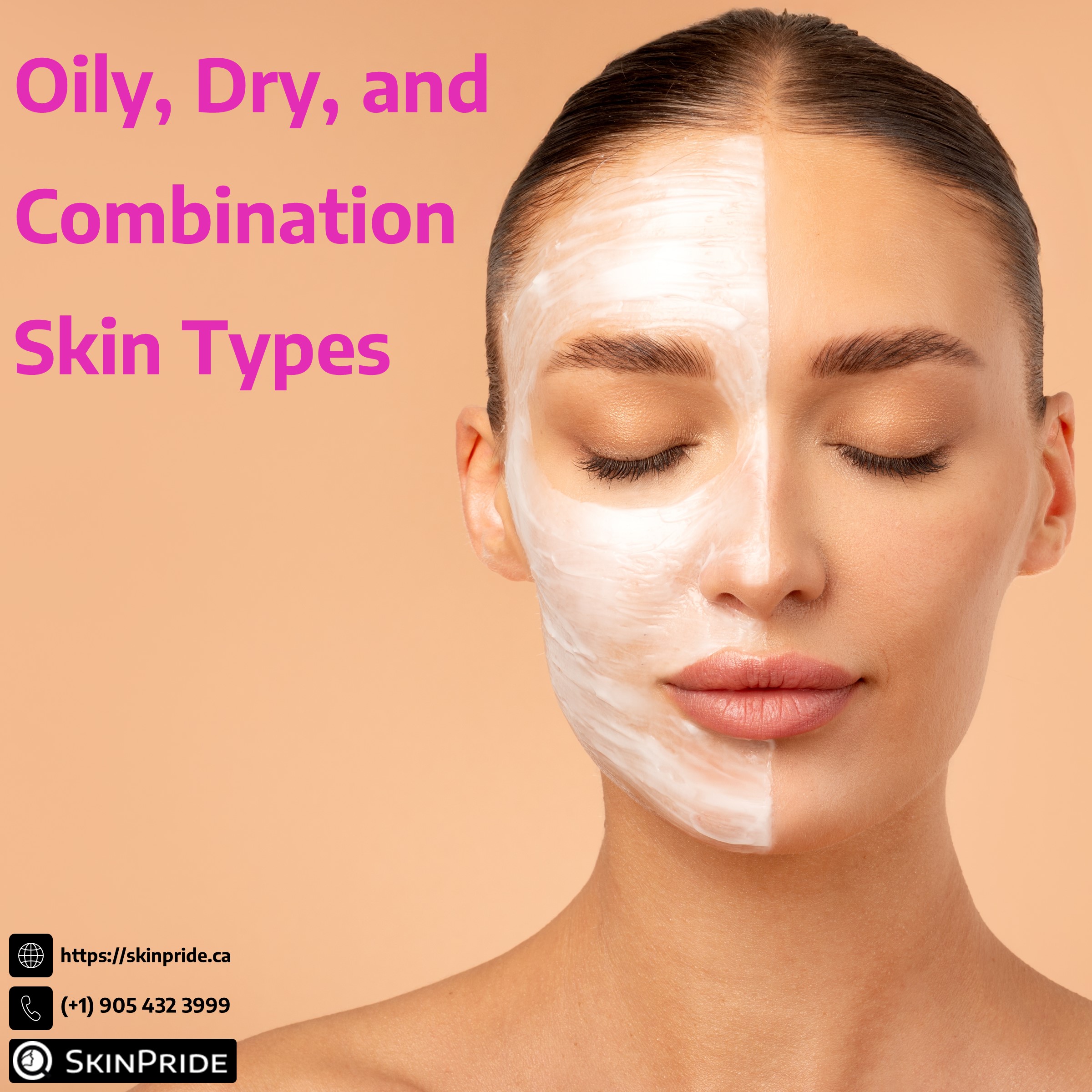
Rethinking Skin Types: Oily, Dry, and Combination
We’ve been trained for decades to herd our skin into three neat boxes: oily, dry, or combination. That simplification became the basis for how we select skincare products, organize our routines, and even talk about our skin. But the more we learn about the complex biology of skin and the power of AI in skincare, the more it becomes clear: your skin doesn’t fit into a neat box—and never did.
Just as no two fingerprints are unique, no two skin profiles are the same. Why then are we clinging to outdated skin type terms in a universe where artificial intelligence, medical imaging, and individualized skincare algorithms are within our reach? It’s time to revolutionize the way we understand, break down, and care for our skin—starting with an open-minded mindset that’s beyond labels.
The Problem with Traditional Skin Types
Let’s get real—most of us have waged the war of skincare at some point or another. You buy a product labeled “for combination skin” and all it does is dry you out in the winter or turn your T-zone greasy at lunchtime. Or maybe you’ve always thought you had oily skin based on some shine here and there, but now your cheeks burn every morning because of dehydration.
The fact is, there’s no manner in which old-school skin typing can account for real-life factors. Climate, hormones, diet, stress, sleep quality, product usage, even air – all change constantly to affect how your skin behaves. What was “normal” skin a month ago might be dry and scaly today—or break out tomorrow. The dynamic nature of skin biology makes fixed labels like “dry” or “oily” increasingly obsolete.
And, to boot, these categories make allowances for surface-level symptomology only: outward oil, dryness, or occasional flare-ups. They make no allowance for underlying issues like your skin barrier function, inflammation levels, microbiome balance, or hydration gradients—factors that are just as relevant to determining what your skin actually needs.
It’s because of this that more skincare experts—and machine learning algorithms built on dermatological datasets—are rejecting outdated labels and opting for a data-driven, precision-focussed approach to skincare instead.
Science-Driven Strategies to Smarter Skin Care
Breakthroughs in dermatological research indicate that the health of your skin is much more intricate than ever believed. Your skincare routine is not about what your “type” requires, but rather adapting to your skin’s current needs.
For example, hydrating isn’t always a matter of using a thicker moisturizer. It’s about improving the skin’s capacity to retain water, and that can be based on ceramide levels, stratum corneum health (the top layer of the skin), and even your exposure to indoor heating or air conditioning systems.
Likewise, oiliness is not the villain we portray. Overproduction of sebum can, on occasion, be a response by the skin to rough cleansing or environmental stress. In some people, “oily” skin is simply responding to imbalance—and calming the skin with barrier-helpers can better control oil-producing glands than solvent cleansers.
Modern dermatology today recommends listening to your skin’s biological voice rather than categorizing it into fixed terms. This implies tracking texture variations, changes in tone, sensitivity, moisture, and overall strength. How do you track it all without a microscope and an army of experts?
This is where AI-driven skincare analysis violates the rules.
Previously, individualized skincare required expensive consultations or in-clinic testing. Now, your smartphone camera and a trained AI model can do more than capture a selfie—they can read skin data at the micro level with clinical precision.
Using medical image processing and deep learning algorithms, AI software can analyze your skin’s individual characteristics like pore appearance, wrinkles, redness, moisture levels, and even hidden problems that aren’t observable to the human eye. These machines learn from millions of skin images—from every tone, age, and condition—to provide precise, unprejudiced analysis.
Instead of declaring your skin “dry,” a device may detect minor trans-epidermal water loss, mildly compromised skin barrier function, and early signs of inflammation. From this, it may recommend light, ceramide-enhanced products, adjust your routine’s pH factor, or caution you away from environmental irritants potentially worsening your situation.
Even more astonishingly, AI-driven recommendation systems blend your skin data with environmental conditions, ingredient databases, and medical research to offer extremely personalized skincare routines. These are well beyond the typical one-size-fits-all advice—your AI can see that your skin is stretched most after long flights or when humidity drops below 30% and adjust your regimen accordingly.
There’s also more use of predictive models in skincare. AI can forecast how your skin is likely to react to a new product by tracking your skin over time, warn you about hazardous irritants according to your markers of sensitivity, or suggest seasonal shifts in your skincare routine before your skin starts to show it.
This isn’t science fiction—it’s the new frontier in adaptive skincare using machine learning and real-time diagnostics. And it’s accessible to anyone who has a smartphone and a curious mind.
Farewell Skin Types, Greetings Skin State
Rather than holding to a fixed type, think of your skin to be in multiple states—waterlogged, inflamed, balanced, reactive, sensitized, and so forth. These states can shift week by week, day by day, or even hour by hour. A tailored, AI-driven skincare system takes this versatility into account and adapts recommendations accordingly.
Imagine waking up, taking a selfie, and receiving a personalized skincare routine based on the condition of your skin at the time—along with weather updates, ingredient compatibility, and lifestyle advice. That’s intelligent skincare in a nutshell: adaptive, informed, and very personal.
This approach also allows you to have more control over your skin’s habits. As you get older, you may discover surprising correlations—such as your skin is more sensitive on stressful days, or greasier when you are exhausted. These insights allow you to care for your skin in advance, instead of in retrospect.
And for those who value transparency, many of these products now offer full disclosure of how recommendations are made, ranging from citations of clinical studies to ingredient knowledge. Which translates to smarter choices, fewer product disappointments, and ultimately, healthier skin.
The Future of Skincare Is Personalized, Predictive, and Powered by AI
The age of guessing your skin type and hoping a product will work is over. With advances in AI skincare tools, we’re stepping into a new era where machine learning, dermatological imaging, and personalized recommendations come together to offer truly intelligent skin care.
These technologies are not tricks—they’re transforming the way we understand and take care of our skin. From hyper-precise product matching to pre-symptomatic detection of skin problems, from real-time tracking of skin condition to optimized ingredient selection, AI and image recognition technology are putting in our hands unparalleled power to be in control of our skin health.
If you’ve ever been stuck trying to define your skin or frustrated with guess-and-check skincare, now is the perfect time to make this shift. Bids adieu to labels. Let your skin speak its real story—and let AI help you listen.
Wrap-Up: Time to Change What You Know About Your Skin
Your skin is ever-changing, individual, and far more intricate than any catch-all label can define. Keeping it classified by “oily,” “dry,” or “combination” skin types is like diagnosing a vehicle with “engine trouble”—vague, useless, and ancient. Rather, enter the future with instruments that decipher your skin’s cues, translate its shifts, and provide smart attention based on actual facts.
Whether you’re a skincare fanatic or simply an individual interested in making better product choices, AI-based solutions have the ability to transform the way you approach your routine. Utilize a clever skin analysis app, visit websites that use AI to develop personalized skincare routines, or simply start listening to your skin a bit more closely under different circumstances.
Join the smart skincare revolution—where the only type that matters is yours.
